All Articles
Guide
Possession Letter: Documents to Collect When Buying a Flat
Oct 22, 2026
•
5 min read
Learn what a possession letter is and which documents to collect when buying a flat, including the sale deed, occupancy certificate and EC.
What Is a Possession Letter? Documents to Collect When Buying a Flat
Buying a flat in Hyderabad? Understanding the possession letter and collecting the right property documents are essential steps before taking ownership of your new home. Whether you are purchasing a newly constructed apartment from a builder or buying a resale flat from an existing owner, proper documentation helps protect your investment and reduces the risk of future legal disputes.
A possession letter is an important document that confirms the handover of a property to the buyer. However, it is not the only document you should collect before moving into your flat. Documents such as the sale deed, occupancy certificate, encumbrance certificate, approved building plan, and property tax receipts also play an important role in verifying the property's legal status.
In this guide, PropMint Realty explains what a possession letter is, why it matters, which documents you should collect when buying a flat, and how to complete the property handover process more confidently.
What Is a Possession Letter?
A possession letter is a written document issued by a builder, developer, or seller confirming that possession of a property has been handed over to the buyer. It generally records details such as the property address, flat number, buyer's name, possession date, and other relevant handover information.
For a newly constructed apartment, the builder typically issues the possession letter after the buyer fulfils the applicable payment and handover requirements. It indicates that the buyer can take possession of the flat, subject to the relevant legal and contractual conditions.
In a resale property transaction, the seller may provide a possession or handover confirmation as part of the agreed sale process.
For example, if you purchase a 3 BHK apartment in Madhapur, Hyderabad, the builder may issue a possession letter after the required payments and handover formalities are completed. You should still verify the property's approvals, applicable occupancy certificate, and registration documents before treating the transaction as complete.
Important: A possession letter does not automatically establish legal ownership or replace a registered sale deed. It confirms possession or handover, while ownership and other legal rights must be established through the relevant documents and applicable law.
Why Is a Possession Letter Important When Buying a Flat?
A possession letter is useful because it creates a written record of the property's handover. It can help clarify when the buyer received possession and which responsibilities apply after handover.
Here are the main reasons to collect it.
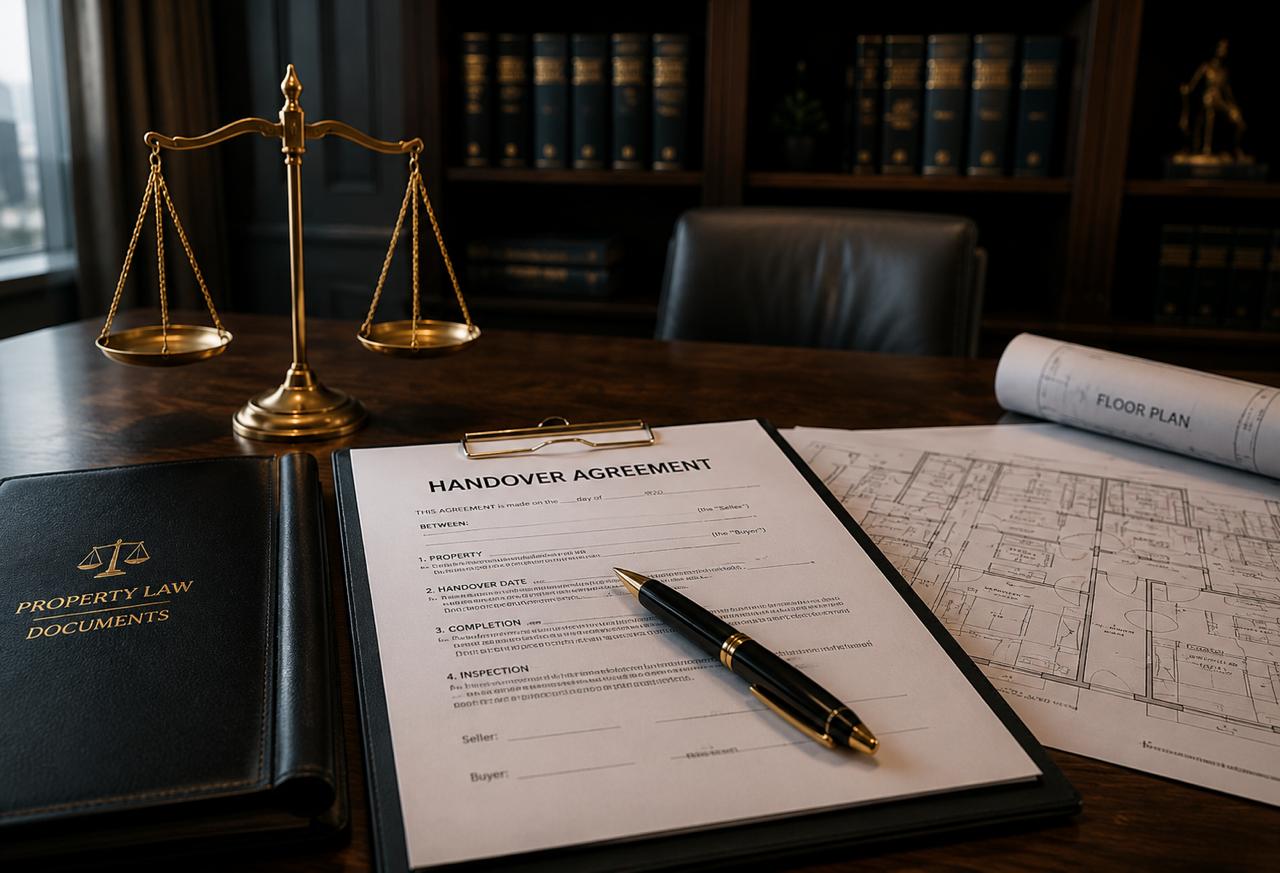
The possession letter records that the property has been handed over to the buyer. It can be useful if a dispute arises regarding the handover date or the builder's obligations.
2. Record of the Possession Date
The document helps establish the date on which possession was offered or delivered, depending on its wording. This may be relevant when reviewing contractual obligations, maintenance charges, or possession-related disputes.
3. Support for Utility and Maintenance Formalities
Builders or apartment management associations may request possession-related documents while completing electricity, water, maintenance, and resident registration formalities. Requirements vary by provider and property.
4. Documentation for Future Transactions
When you sell or transfer your apartment later, the possession letter may form part of your supporting property records. Prospective buyers may request it along with the registered sale deed and other documents.
5. A Record of Handover Conditions
You can retain the possession letter with a signed handover checklist that records keys received, meter readings, fittings, and any defects identified during inspection.
Documents to Collect When Buying a Flat

Collecting the correct documents is one of the most important steps in purchasing an apartment. The exact documents required depend on whether the flat is newly constructed, under construction, or purchased through resale.
1. Registered Sale Deed
The registered sale deed is one of the most important documents in a property transaction. It records the transfer of ownership from the seller to the buyer.
Before purchasing a flat, verify that the sale deed identifies the correct property, parties, consideration, and applicable ownership rights. For a resale apartment, review the seller's registered title documents and the chain of ownership.
After completing the purchase and registration, keep the original registered sale deed and related registration records safely.
2. Possession Letter
Ask the builder or seller for a possession letter confirming the handover of your apartment.
Check whether the document includes:
- Buyer's full name.
- Project name and complete property address.
- Flat number, floor, and other identifying details.
- Date of possession.
- Confirmation of handover.
- Any conditions or outstanding obligations.
- Authorised signature and the builder's or seller's details.
Read the document carefully before signing it. If the flat has unfinished work or unresolved defects, record them in a separate snag list and obtain written confirmation of the agreed rectification.
3. Occupancy Certificate (OC)
An Occupancy Certificate, commonly called an OC, is issued by the competent authority when the building satisfies the applicable requirements for occupation.
It is an important document when buying a completed apartment because it helps establish whether the building has been approved for occupation under the applicable regulations.
Before purchasing a ready-to-move flat in Hyderabad, ask whether the project has the required occupancy approval. Verify the certificate with the relevant authority and check whether it covers the building or unit concerned.
Do not assume that a possession letter, electricity connection, or completed construction automatically means an occupancy certificate has been issued.
4. Approved Building Plan
The approved building plan shows the construction layout and specifications sanctioned by the competent authority.
Review the approved plan and compare it with the actual building, where applicable. Unauthorised additional floors, deviations from approved plans, or changes affecting common areas may create legal or practical concerns.
For apartments in Hyderabad and surrounding areas, verify the relevant approvals with the appropriate municipal or planning authority.
5. Encumbrance Certificate (EC)
An Encumbrance Certificate helps identify registered transactions or encumbrances recorded against the property for the period covered by the search.
It is commonly used during property due diligence to check for registered mortgages, transfers, and other relevant entries.
However, an EC is not a complete guarantee of clear title. It may not reveal every claim, dispute, or unregistered interest. Review it alongside the title documents, ownership history, and other legal records.
6. Builder-Buyer Agreement or Agreement of Sale
For a new apartment, retain the agreement signed with the builder. It may specify the apartment details, total consideration, payment schedule, construction obligations, amenities, possession timelines, and other contractual terms.
For an under-construction property, carefully review the clauses concerning delays, cancellation, additional charges, and possession.
For a resale transaction, keep the applicable agreement of sale and related payment records. Ensure the terms are consistent with the final registered transaction.
7. RERA Registration Details
For projects covered by the Real Estate (Regulation and Development) Act, 2016, verify the project's registration with the relevant state RERA authority.
For a project in Telangana, check the applicable details through Telangana RERA and compare the project name, promoter, registration information, declared completion timeline, and other available disclosures.
RERA registration does not replace independent legal verification, building approvals, or title checks. Also, determine whether the project falls within the applicable registration requirements or an exemption.
8. Property Tax Receipts
For a resale flat, ask for recent property tax receipts and check whether outstanding dues exist.
Property tax records can help establish the payment history, but they do not independently prove ownership. Confirm that the records correspond to the correct property and that any outstanding amounts are addressed before completing the transaction.
For a newly handed-over apartment, ask the builder how the property tax assessment and payment responsibilities are being handled.
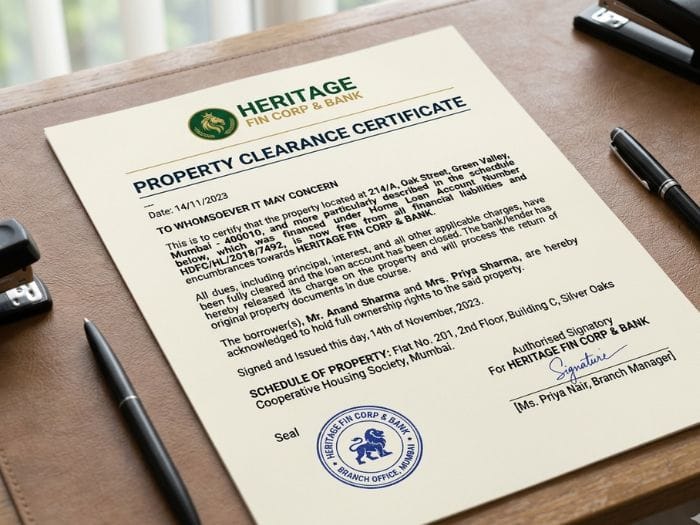
9. No-Dues Certificate and Maintenance Records
Request a no-dues statement from the builder or apartment association, where applicable. It should clarify whether maintenance charges or other agreed payments remain outstanding.
Also ask for information about:
- Monthly maintenance charges.
- Pending utility bills.
- Corpus fund or sinking fund contributions.
- Parking-related charges, where applicable.
- Outstanding builder payments.
- Transfer charges imposed under applicable agreements or rules.
Review the supporting statements instead of relying only on a verbal assurance that all dues have been cleared.
10. Electricity and Water Connection Details
Verify the electricity service connection, water supply arrangements, and relevant meter details for the apartment.
Ask for the applicable consumer or service numbers, recent bills, meter readings, and details of any pending charges.
In apartment communities, also understand whether water comes from a municipal supply, borewell, tanker supply, or a combination of sources. This can affect monthly expenses and day-to-day living.
11. Parking Allocation Documents
If the apartment includes a parking facility, verify the allocation and the rights associated with it.
Check the sale agreement, allotment documents, and relevant project records to understand what has been promised. Do not assume that a particular parking space is legally transferable simply because it has been verbally assigned.
Parking rights and arrangements can vary depending on the project documents and applicable law.
12. Flat Inspection and Handover Checklist
Before accepting possession, inspect the apartment carefully. A well-documented inspection can help prevent disagreements about defects or incomplete work.
Check the following:
- Walls, ceilings, flooring, doors, and windows.
- Plumbing fixtures, drainage, and water pressure.
- Electrical switches, sockets, and lighting points.
- Kitchen fittings and bathroom accessories.
- Water leakage, dampness, and visible cracks.
- Lift access, common areas, and fire-safety facilities.
- Promised amenities and the condition of shared facilities.
- Number of keys, access cards, and parking arrangements.
Photograph any defects and prepare a written snag list. Ask the builder to acknowledge the list and confirm the rectification timeline in writing.
Documents Required for a New Flat vs a Resale Flat
Although many documents overlap, the verification process differs depending on the type of purchase.
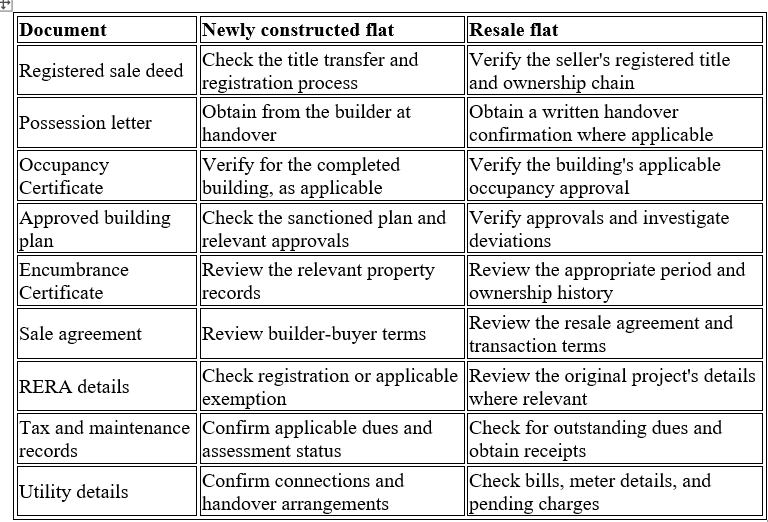 image.png 75.47 KB
Step-by-Step Process Before Taking Possession of a Flat
Follow these steps to make the apartment handover process more organised.
Step 1: Verify the legal documents. Review the title, sale agreement, applicable approvals, encumbrance records, and other documents with a qualified property lawyer.
Step 2: Confirm the payment status. Compare the payment receipts with the agreed payment schedule. Clarify any outstanding amounts before signing the final handover documents.
Step 3: Inspect the apartment. Check the fittings, plumbing, electrical systems, common facilities, and promised amenities. Document any unfinished work.
Step 4: Verify the occupancy approval. For a completed apartment, check the applicable occupancy certificate or approval with the competent authority.
Step 5: Collect the possession letter. Ensure that the document identifies the correct flat and records the actual handover arrangements accurately.
Step 6: Obtain supporting records. Collect available warranties, equipment manuals, utility details, maintenance information, keys, access cards, and parking documents.
Step 7: Store your documents securely. Keep the original registered documents safe and maintain digital copies of the possession letter, receipts, approvals, inspection report, and correspondence.
Common Mistakes to Avoid When Buying a Flat
Even experienced buyers can overlook important details when they focus only on the price, location, or interior design.
Avoid these common mistakes:
- Assuming the possession letter proves ownership: Verify the registered sale deed and title documents separately.
- Ignoring the occupancy certificate: Check the applicable approval before treating a completed apartment as ready for lawful occupation.
- Relying only on the EC: Review the wider title history, approvals, and possible disputes.
- Accepting verbal promises: Record promised repairs, amenities, parking arrangements, and pending work in writing.
- Ignoring maintenance dues: Obtain written statements and confirm who is responsible for outstanding charges.
- Signing without inspection: Document visible defects and incomplete work before acknowledging handover.
- Skipping independent verification: Have a qualified property lawyer review the documents, particularly when purchasing a high-value property.
Taking these precautions before paying the final amount or accepting possession can help reduce avoidable disputes.
Frequently Asked Questions (FAQs)
1. What is the difference between a possession letter and a sale deed?
A possession letter records the handover of the property, while a registered sale deed generally records the legal transfer of ownership. A possession letter does not replace the sale deed.
2. Is a possession letter mandatory when buying a flat?
The documents required depend on the transaction, agreement, and applicable law. A possession letter is commonly used for builder handovers, but buyers should confirm the specific requirements and obtain written handover evidence.
3. Can I take possession without an Occupancy Certificate?
Do not assume that possession offered by a builder means the building is approved for occupation. Verify the applicable occupancy requirements and obtain professional advice before accepting or occupying a property without the required approval.
4. Which documents are most important when buying a resale flat?
The registered title deed, relevant ownership history, encumbrance records, applicable building approvals, occupancy certificate where required, sale agreement, and records of tax and maintenance payments are important. The exact checklist depends on the property.
5. Should I collect the original possession letter?
Obtain the signed original where one is issued, and keep a secure digital copy. Retain the original registered sale deed and other original property documents according to their nature and importance.
6. Does an Encumbrance Certificate guarantee that a flat has a clear title?
No. An EC reflects registered transactions or encumbrances recorded for the period covered. It may not identify every possible legal claim or dispute. A broader title and legal review is advisable.
7. What should I do if the builder has not completed promised repairs?
Prepare a written list of defects, take photographs, and request acknowledgement and a rectification schedule. Review the agreement and applicable warranty or defect-liability provisions. Seek legal advice if the builder fails to address the issue.
Conclusion: Verify Every Document Before Buying Your Dream Home
Buying a flat is a significant investment, and proper documentation is just as important as the location, price, amenities, and construction quality.
A possession letter helps record the handover of your apartment, but it should be reviewed alongside the registered sale deed, applicable occupancy approval, encumbrance records, sanctioned building plan, payment receipts, and other relevant documents.
Whether you are purchasing a new apartment or a resale flat in Hyderabad, take the time to inspect the property, verify the paperwork, clarify outstanding dues, and seek professional advice where necessary.
At PropMint Realty, we believe that informed buyers make more confident property decisions. Explore your options, verify the essential details, and move forward with a clear understanding of your investment.
Looking to buy a flat in Hyderabad? Explore property opportunities with PropMint Realty and make your next property decision with greater confidence.
Explore PropMint Realty: https://www.propmintrealty.com/
https://whatsapp.com/channel/0029VbCQhoIDJ6HAi7X93H2X
Disclaimer: This article is for general informational purposes only and does not constitute legal advice. Property documentation requirements depend on the transaction, project, location, and applicable law. Verify documents with the relevant authorities and consult a qualified property lawyer before purchasing a property.
Related Articles



Key Highlights
- What Is a Possession Letter
- Possession Letter for a Flat
- Documents to Collect When Buying a Flat
- Possession Letter in Real Estate
- Importance of Possession Letter
- Flat Possession Letter Checklist
- Documents Required for Flat Possession
- Possession Letter from Builder
- Documents to Check Before Taking Flat Possession
- Possession Letter vs Occupancy Certificate